


 By: kingUS@0111@65984
The psychological impact of gambling Understanding the mind behind casino lucky star choices
The Allure of Casino Games
Casino games are designed to captivate players, drawing them into a world of excitement and chance. The thrill of uncertainty is what makes gambling so attractive; players often feel an adrenaline rush when placing bets. This immediate excitement can lead to impulsive behavior, as individuals chase the feeling of winning, often overlooking the risks involved. For more information on gaming online, check out https://luckystarcasinologin.com/, where you can learn about various gaming options.
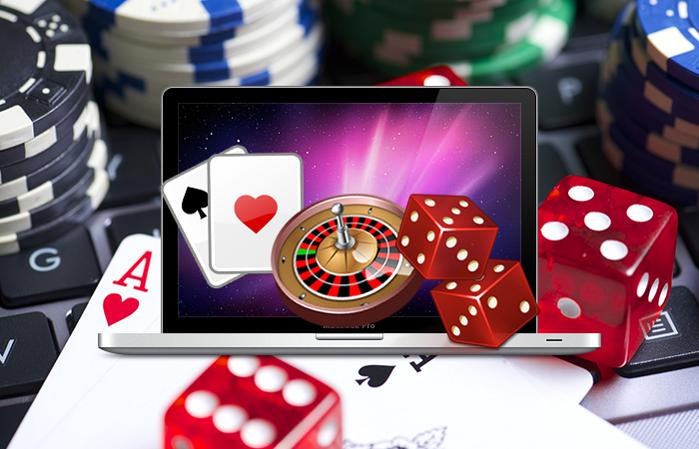
Moreover, the ambience of casinos, filled with bright lights and engaging sounds, further enhances this allure. Players are often surrounded by others who share their enthusiasm, creating a communal atmosphere that amplifies the psychological appeal. This environment can lead to a sense of euphoria, encouraging participants to play longer and invest more money in hopes of hitting the jackpot.
The Role of Cognitive Biases
Cognitive biases play a significant role in how individuals perceive their chances of winning. Many gamblers fall prey to the “gambler’s fallacy,” believing that past outcomes will influence future results. For instance, someone may assume that a slot machine is “due” for a win after several losses, leading them to continue playing despite the odds remaining unchanged.
Additionally, the illusion of control can mislead players into thinking they have more influence over the game than they actually do. Many gamblers believe that their choices can improve their odds, even in games predominantly based on chance. This cognitive distortion can perpetuate gambling behavior, making it difficult for individuals to recognize when they are engaging in risky activities.
Emotions and Gambling Decisions
Emotional states significantly affect gambling decisions. Many people gamble to escape from stress or negative feelings, using it as a coping mechanism. This emotional connection can create a vicious cycle, where individuals feel the need to gamble more as a way to deal with their problems, leading to increased risks and potential harm.
Conversely, positive emotions can also influence gambling behavior. When players experience a win, they may feel elated and emboldened, encouraging them to continue betting. This emotional rollercoaster can distort judgment and lead to a misassessment of risks, fostering a belief that one can repeatedly beat the odds.
Social Influences on Gambling Behavior
Social factors heavily influence gambling habits. Peer pressure can encourage individuals to engage in gambling activities, particularly among younger adults. The normalization of gambling in social settings can create an environment where individuals feel compelled to participate, regardless of their personal opinions on the risks involved.
Moreover, online gambling platforms have made it easier for individuals to access games and engage in betting with friends or family. This social aspect can amplify the psychological impact, as individuals often seek validation and acceptance through shared experiences. Such dynamics can lead to unhealthy gambling practices, especially when combined with the aforementioned cognitive biases.
Exploring Further on Gambling Psychology
Understanding the psychological impacts of gambling is crucial for both players and their loved ones. Resources and support systems are available to help those struggling with gambling-related issues. By fostering awareness of cognitive biases, emotional influences, and social pressures, individuals can make more informed decisions about their gambling habits.
For those seeking a deeper understanding of gambling psychology, numerous online platforms provide insights and resources. These websites aim to educate individuals about the effects of gambling and promote responsible behavior. Gaining knowledge about the mind behind gambling choices can ultimately lead to healthier and more balanced approaches to play.
Written by
kingUS@0111@65984